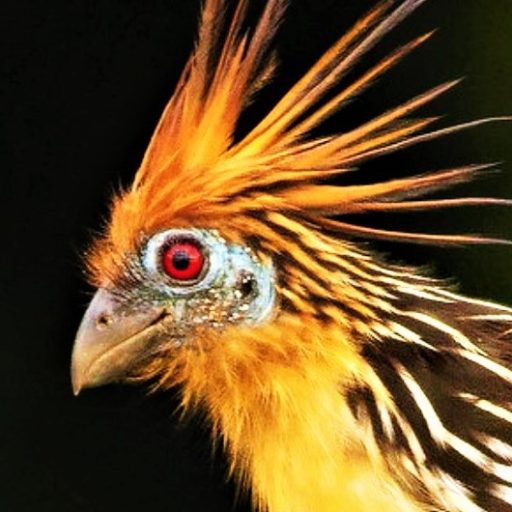
Apr 15-17, 2023
I had been in Argentina for nearly two months and I still hadn’t visited the most ecologically diverse region: the northwest.
The northwest of Argentina is so diverse because of its nearly-tropical latitude and massive elevational range. The lowest areas in the east represent the western limit of the immense, scrubby Chaco of Bolivia, Paraguay and North-Central Argentina. The highest parts of the province form the high, desolate landscape of the Andean Puna, with vast plains sitting at 14,000 feet and peaks towering to 20,000. And the forested slopes that lie between these two extremes are known as the Yungas Biosphere, which includes everything from warm lowland forest to foggy and cold cloud forest. Geographically, the Yungas stretches from Southern Peru through Bolivia and into Northwest Argentina, hugging the eastern slope of the Andes. This was where I spent most of my time, exploring several different levels, each with its own unique birds.
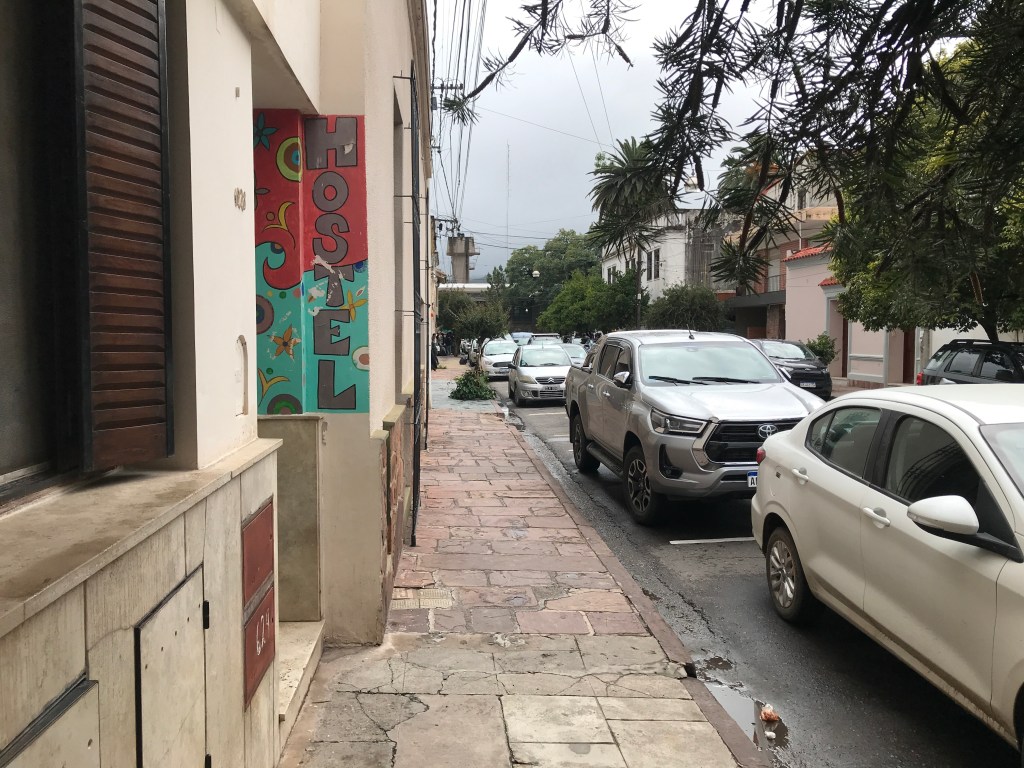
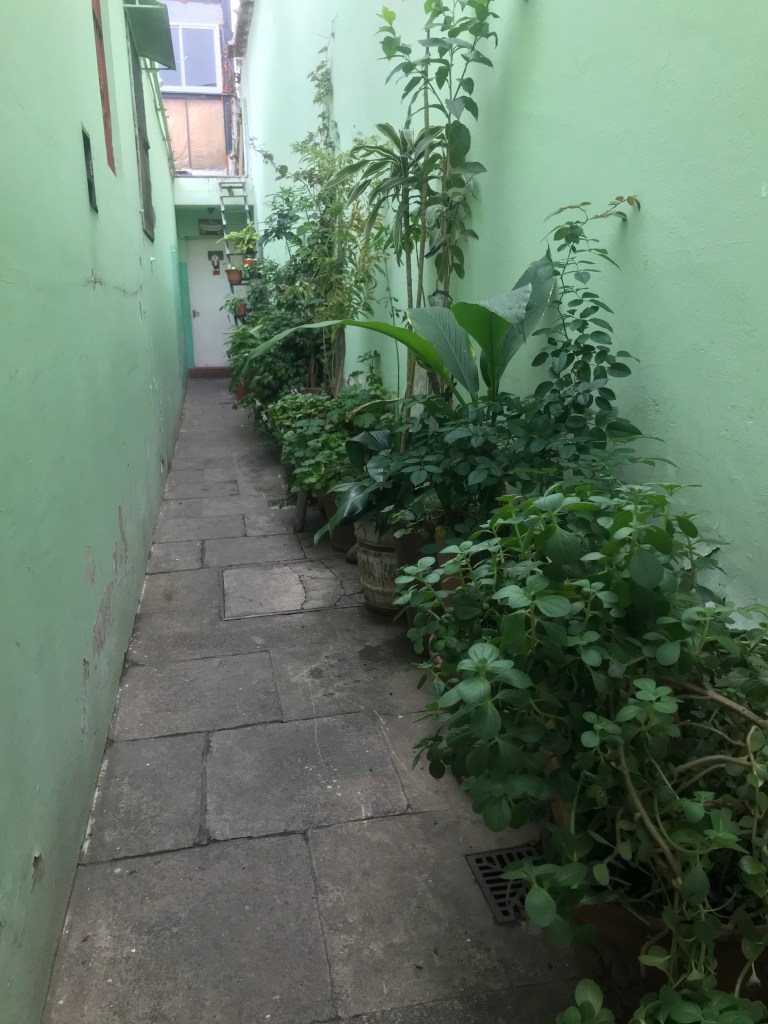
I opted for a cheap internal flight from flybondi.com that took me directly from Buenos Aires to San Salvador de Jujuy, at the foot of the hills. This town sat at around 1,200m, and was surrounded by hills that went up to around 3000m, all within the Yungas forest. I stayed at Hostel Jujuy, which had a super neat little alley leading in from the front door:
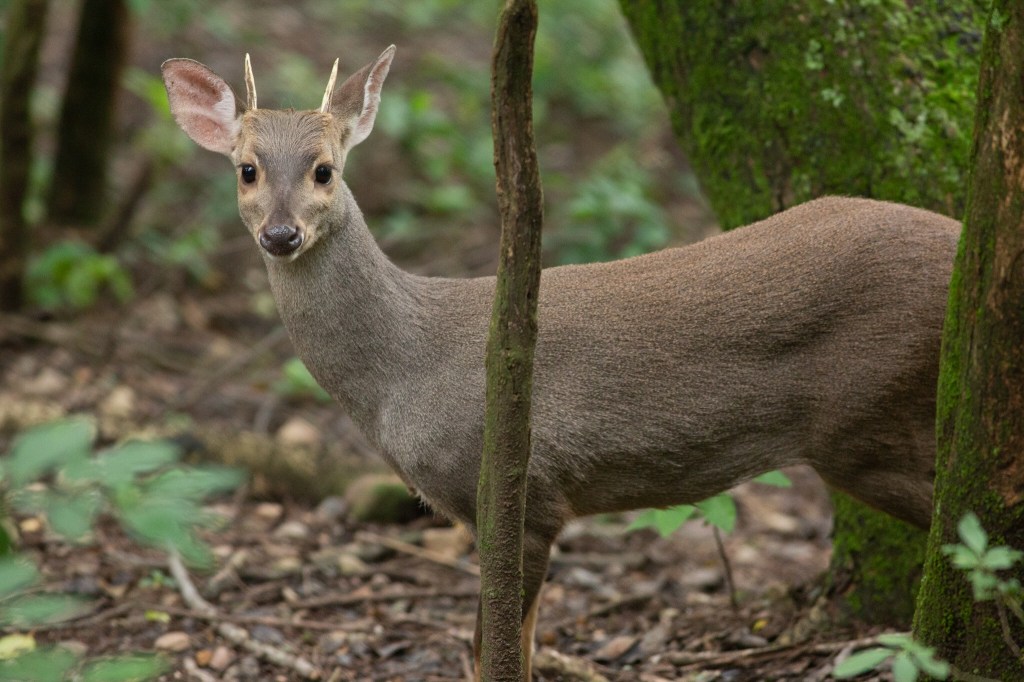
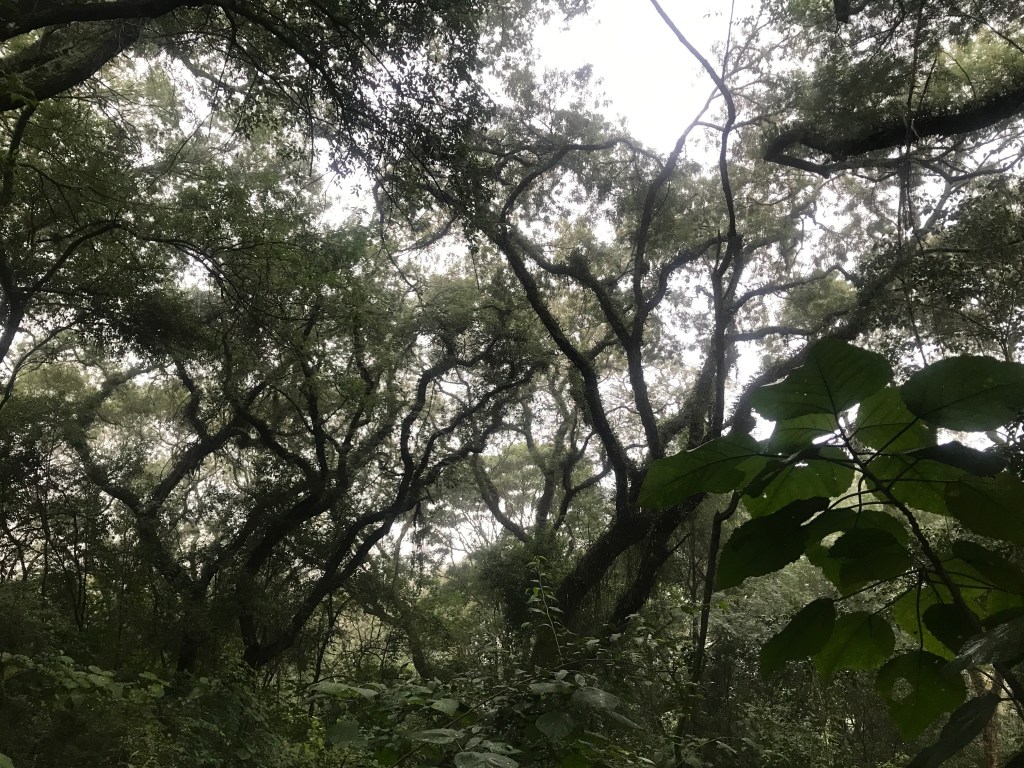
On my first day I headed over to the Baron Carlos Maria Schuel Botanical Garden, where I walked a roughly 1-mile trail through a wonderful montane forest, borderline cloud forest! I was very surprised to see a couple of these weird little deer called Taruca (Hippocamelus antisensis), which I think were being rehabilitated in an enclosure below the fenced-in forest above. It would be very cool to see them out in the wild, but for now we’ll just enjoy how cute this one was:
The trail was very well signposted and had species markers at quite a number of different trees. The fern-laden branches had that particularly exciting and outlandish look, shrouded in fog.
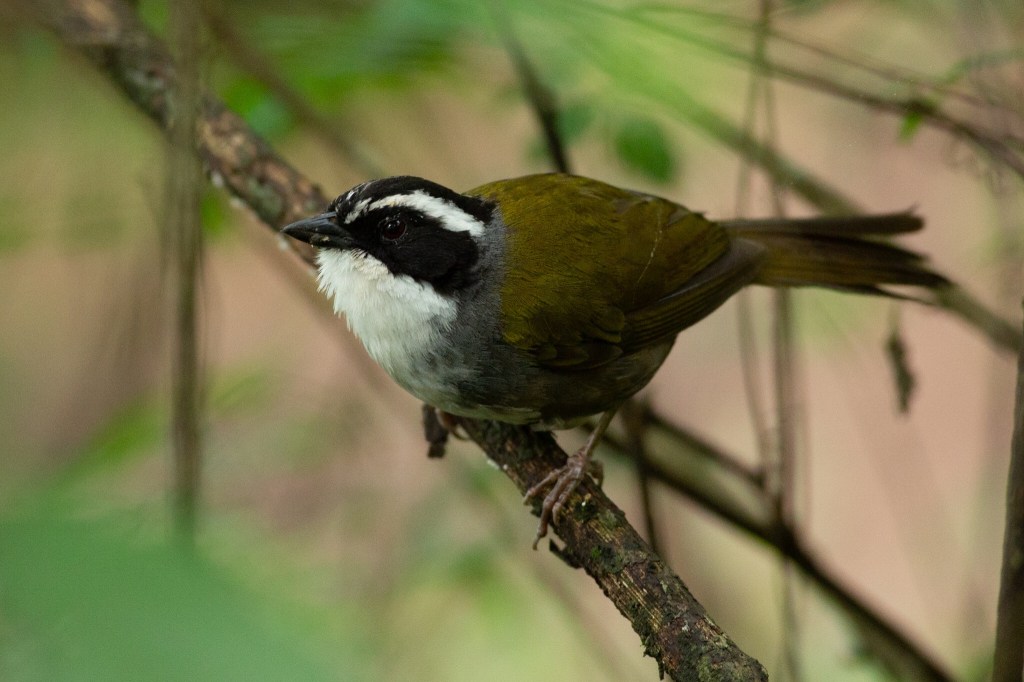
I got to see some very fun birds here, including a couple of Gray-cowled Wood-Rails, Mottle-cheeked and Sclater’s Tyrannulets (both lifers), Mountain Wrens and a bunch of White-browed Brushfinches. I think Arremon (brushfinches and a few sparrows) is a strong contender for my favorite genus of birds… they all just look so neat and distinguished:
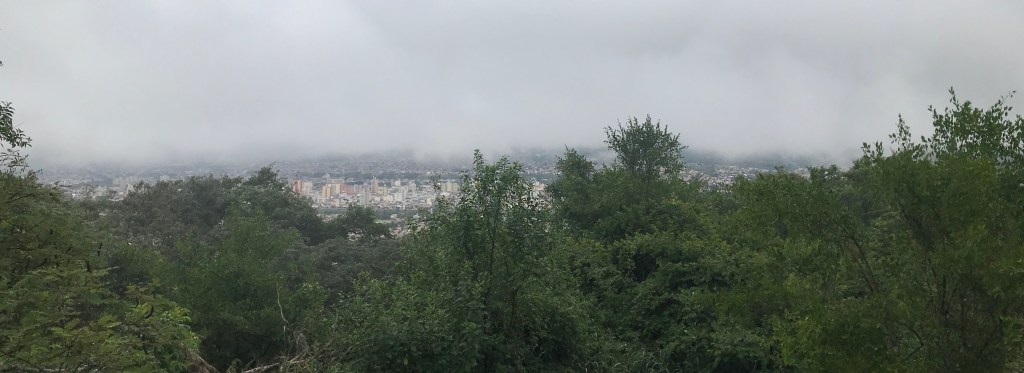
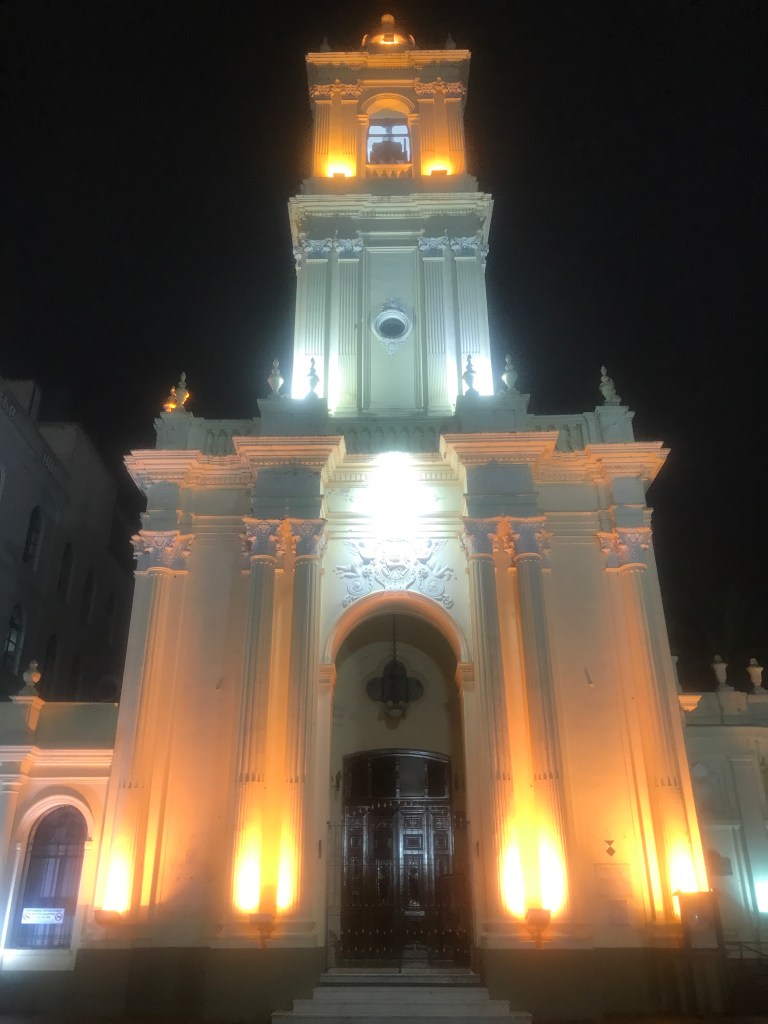
The view of the city from the top of the trail was pretty cool. Here are a few pictures of SS itself:
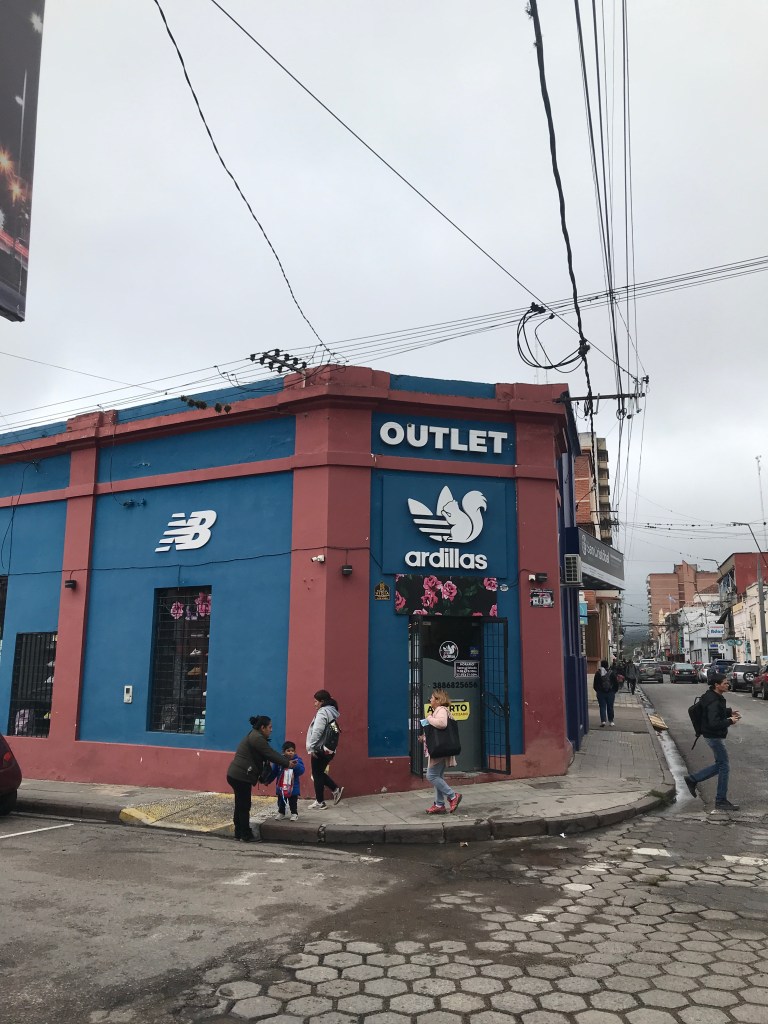
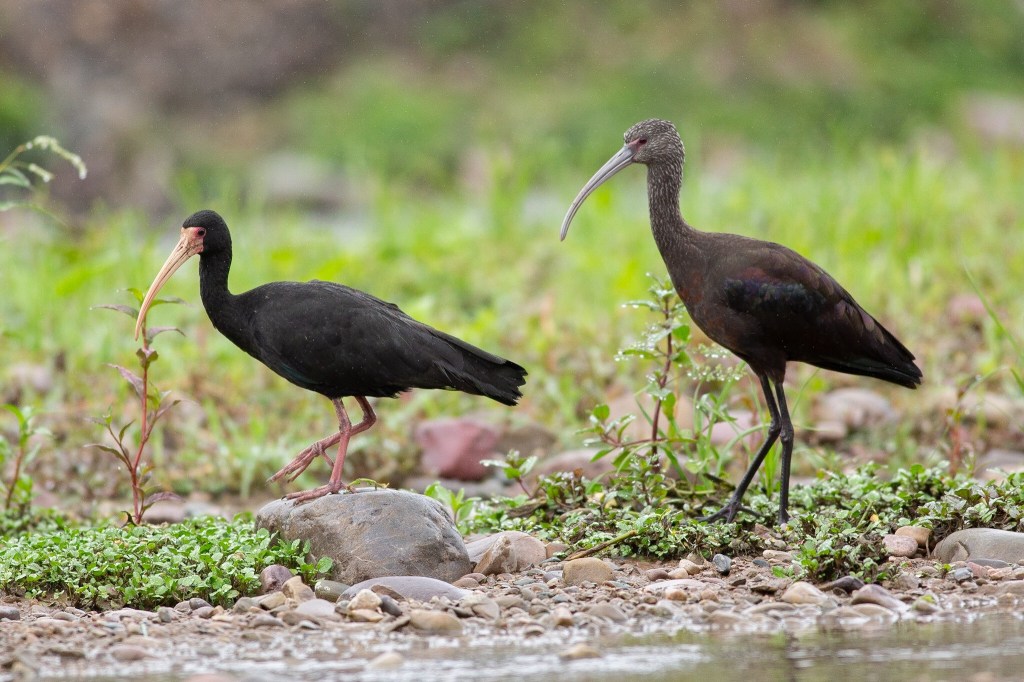
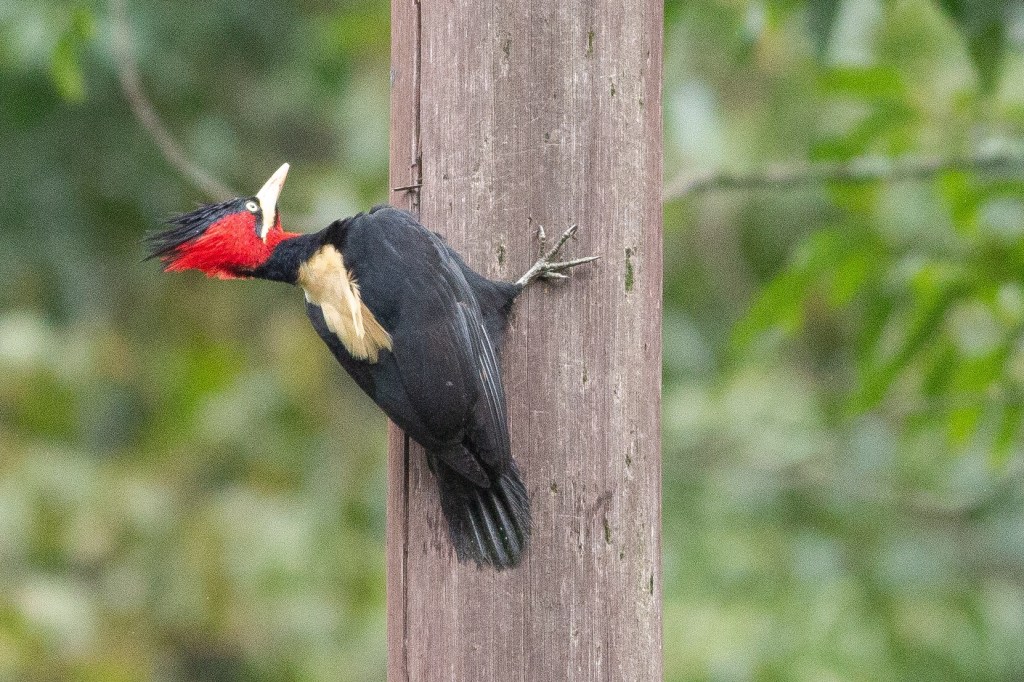
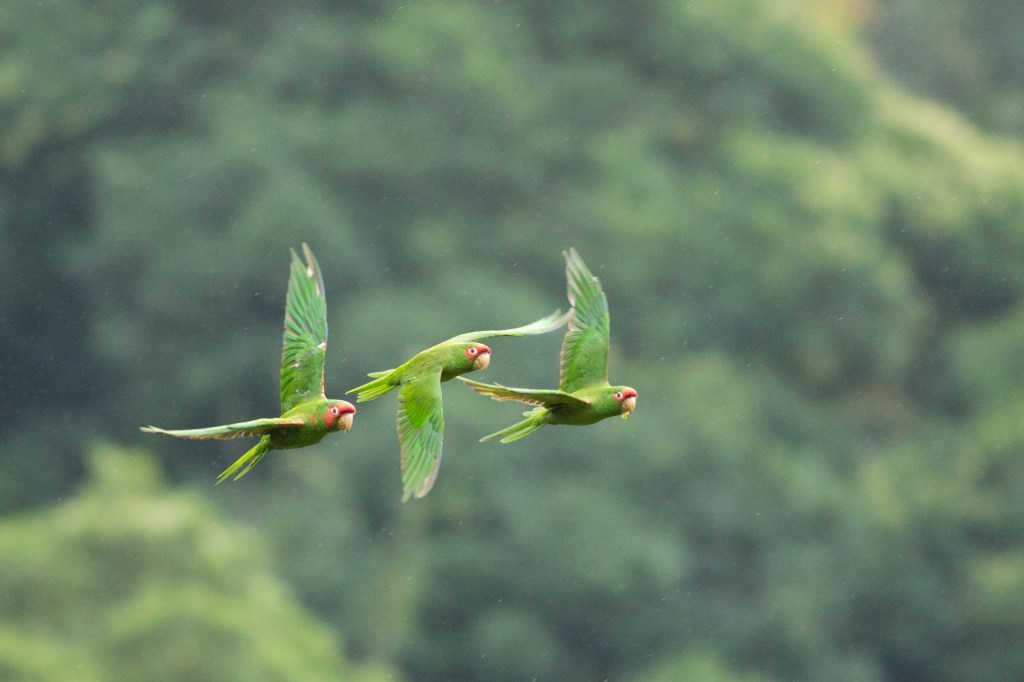
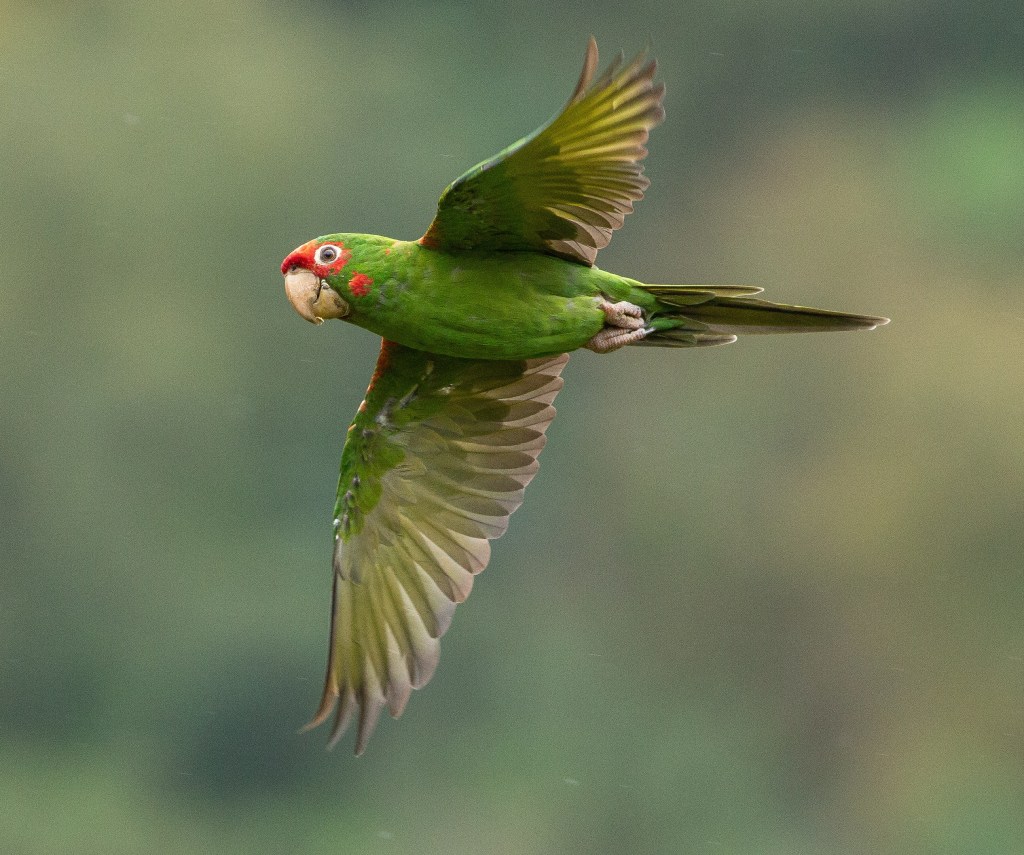
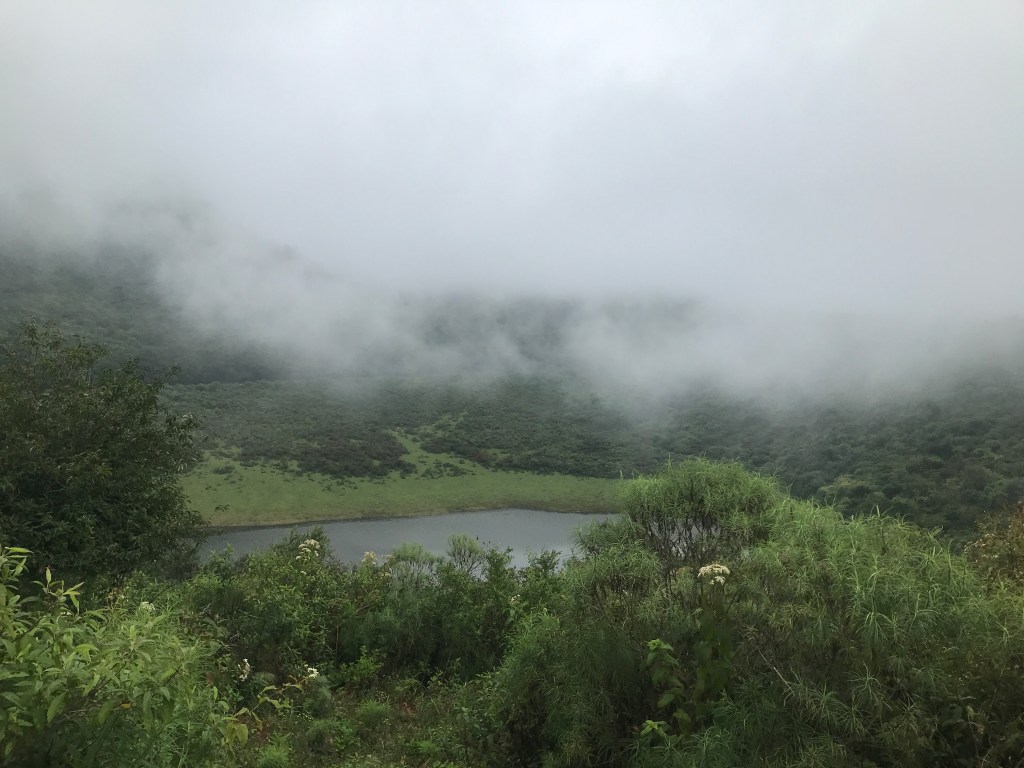
The next day I caught the number 34 bus up towards a Provincial Park called Lagunas de Yala. The bus leaves every hour, and gets you most of the way up towards this park, and then turns around and heads back down to San Salvador de Jujuy. I walked the last four miles of the road up to the lakes, which were created by landslides that cut off several high valleys and dammed the rivers. I lingered a little on the bridge over the river; this was a place where there were several records for Rufous-throated Dipper, an extremely range-limited bird (which would also be my fourth species after American, White-throated and White-capped). I didn’t see it during the couple minutes I waited, but I was treated to a striking Cream-backed Woodpecker and a whole bunch of Mitred Parakeets:
I don’t know where or when, but one of my core memories is a documentary I watched about California’s introduced and feral Mitred Parakeets; I remember a vague storyline and lots of shots of parakeet flocks flying over California rooftops. So it was neat to see the species in its home range after having it stuck in my mind for so long as a denizen of San Francisco chimneys and TV antennas.
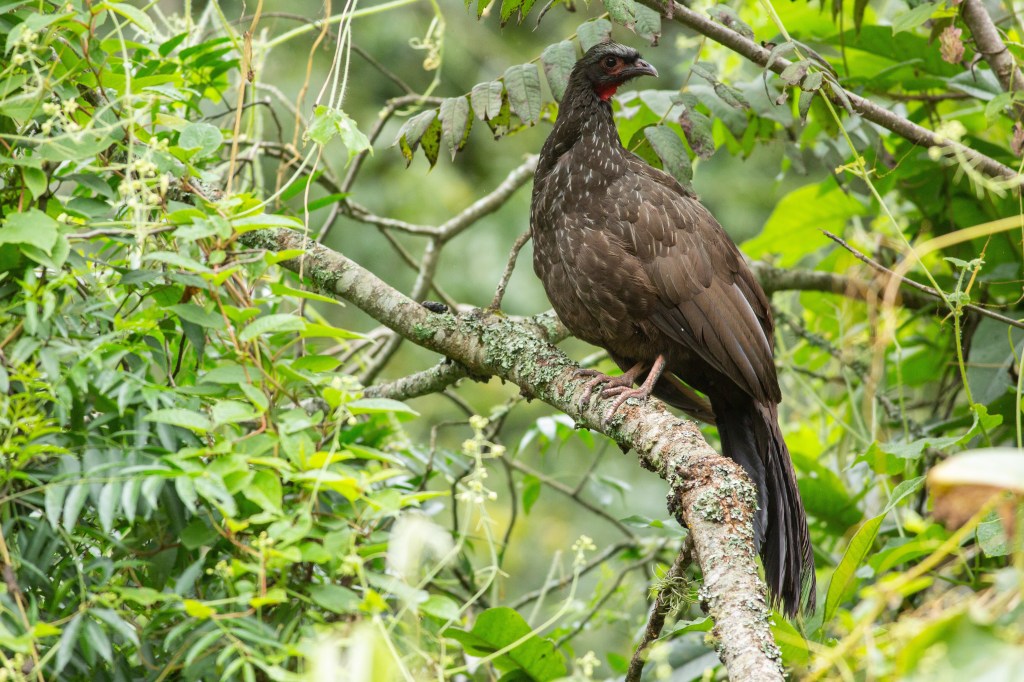
A little farther up a couple of the switchbacks I ran into a little mixed flock, with a couple of Rusty-browed Warbling-Finches, an Azara’s Spinetail and a Dot-fronted Woodpecker. I didn’t get any worthwhile pictures of those fellas but a couple more steps and a dark shape perched near the road caught my eye: a Yungas-endemic Red-faced Guan.
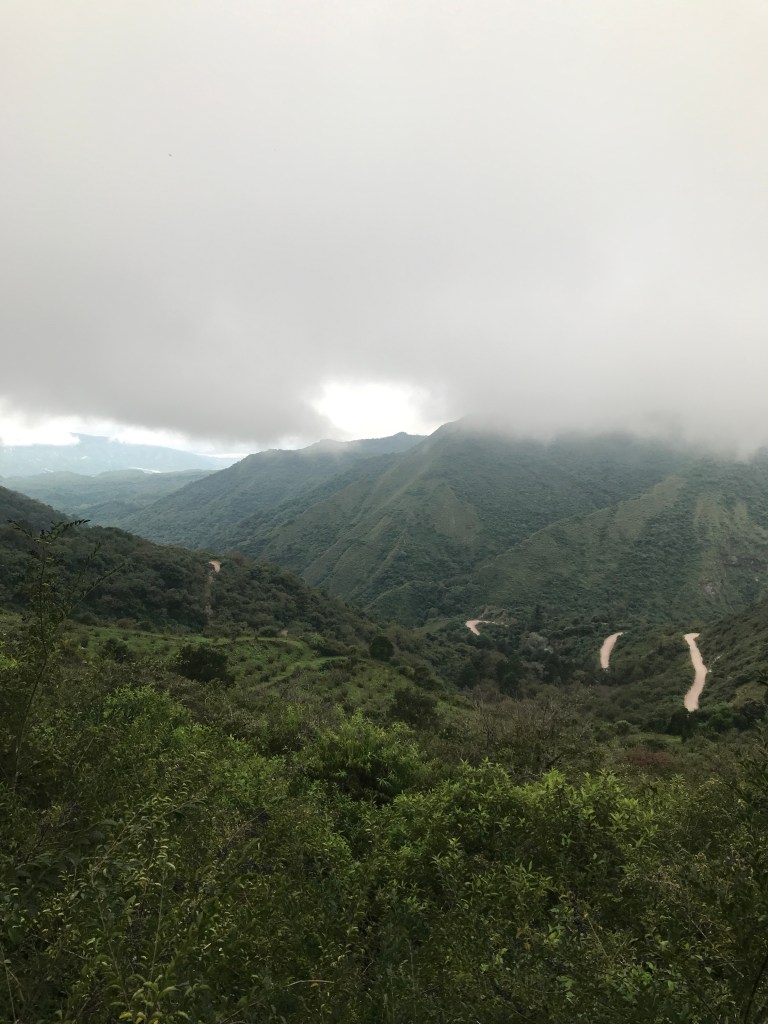
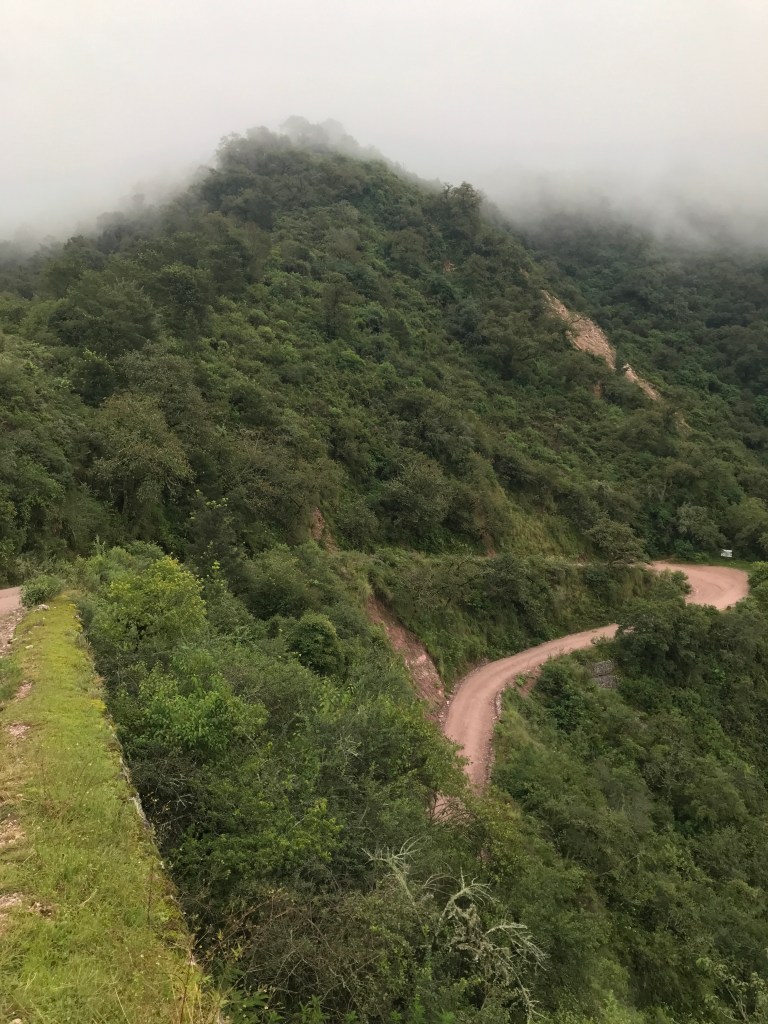
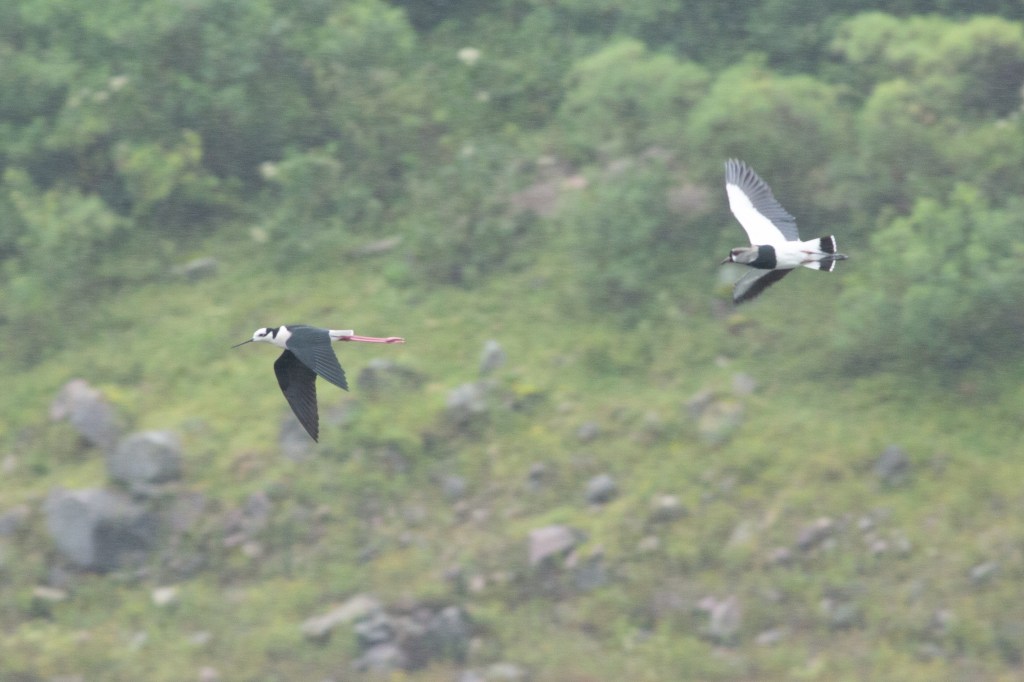
Eventually I made it up to the level of the lakes, where found some more cool birds like Whistling Heron and the Andean subspecies of Black-necked Stilt. The Southern Lapwings seemed to really dislike that bird for some reason.
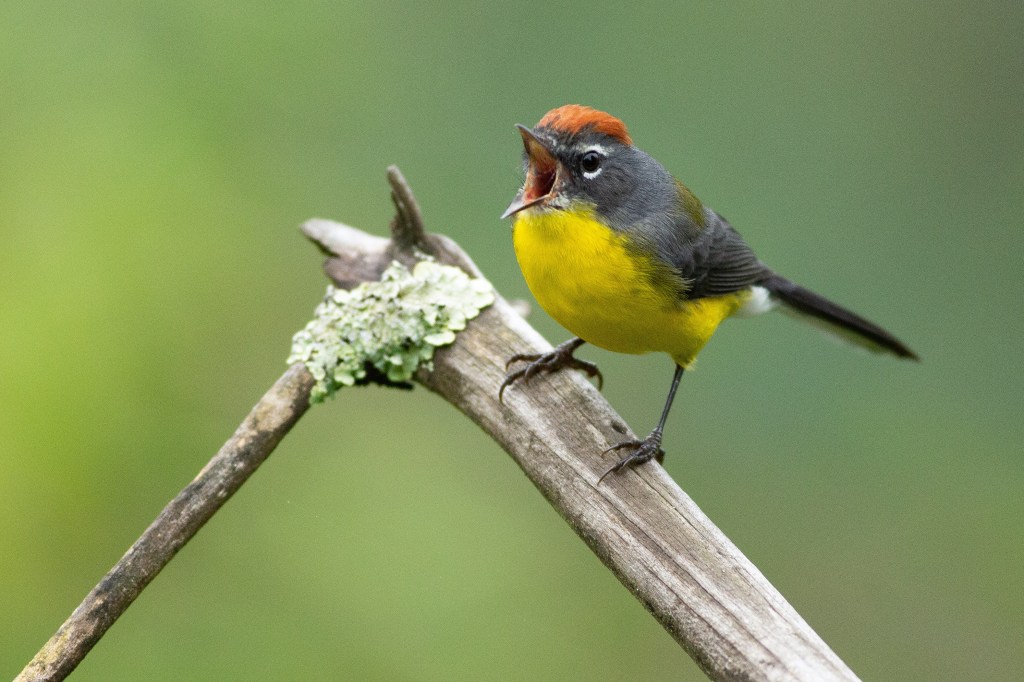
I heard a bird that sounded just like a Blue Grosbeak (N.American species) and so I tried playing the call for a Black-backed Grosbeak. Sure enough, it was a match and a male popped up to have a look around from the top of his bush, which was very affirming. Throughout this whole walk I had passed by dozens of Brown-capped Redstart, the southernmost species of the Myioborus Redstarts, an awesome genus that inhabits hilly environments all the way up to the southern Rockies in the US (Painted Redstart).
I took the Sendero Bosque Montano back from the highest point near the lakes, and found some cool interpretive materials. This park was pretty awesome in terms of the user experience for not being a National Park (although I think it was a bit closed-down for low season); there were quite a few different kiosks and signs letting people know where things were and what was up with the lakes. I would not have guessed that they were created by landslides, and I also learned a bit about the local flora. Turns out quite a few birds are Alder specialists and can’t be found outside areas with Alnus acuminata, the local species. This is apparently true for the dipper and for both species of guan (Yungas and Red-Faced).
I got back to the road and thumbed a ride back down with a few folks from SS de Jujuy who were spending the day up there. On the way back we stopped at a little festival where people were playing some Chacarera (Andean Folk Music) and dancing. The folks giving me a ride insisted that I try Api (hot purple corn drink) which, it turns out, tastes exactly like hot spiced cider! As soon as I took a sip I kind of got transported back to some kind of autumn school festival, and noticed the people doing face painting and the kids running around playing tag while the adults listened to the music. Huh. Some things are surprisingly universal.

Since it was mostly on the way for them, the folks who picked me up dropped me off right by my hostel! I chatted with a couple of the other guests and they explained about their visit to the high Andean town of Purmamarca, so I decided to take a trip up to those higher elevations the next day.
I caught the number 30 bus to the main station at 8, then caught the 9am departure (via Balut) up to Purmamarca. I’ve mentioned it in the other posts, but the only way I’ve been buying tickets recently is in-person, in cash at the station. International cards haven’t been working with the online methods and it’s way easier to figure stuff out this way, I promise. The bus took me up the valley from SS, above the treeline and into the high desert. From Purmamarca I paid a few bucks to join a tour guide taking people up to the Salina (Salt flat), west and up a famous curvy road that crossed the first really high range of the Andes.

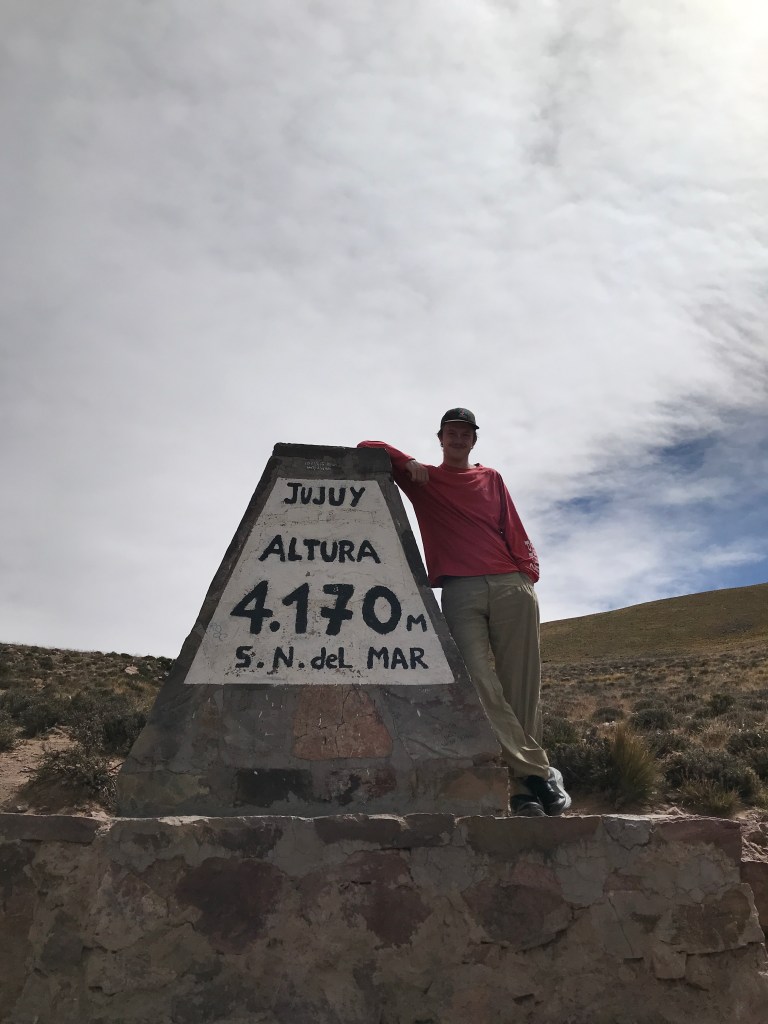
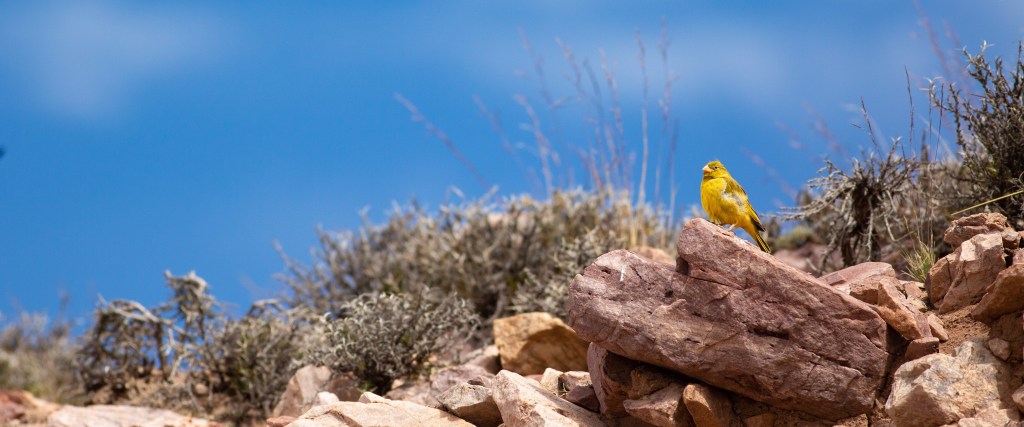
The highest point was marked with a monument, and I saw a couple of Yellow-finches (yes, that is their name) and I can’t really figure out which species they were. Puna YF would make sense based on the elevation but I don’t know for sure.
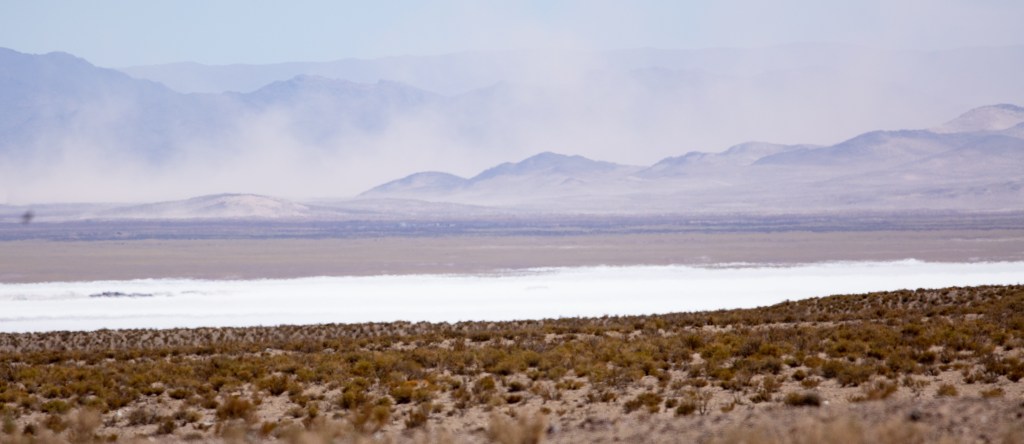
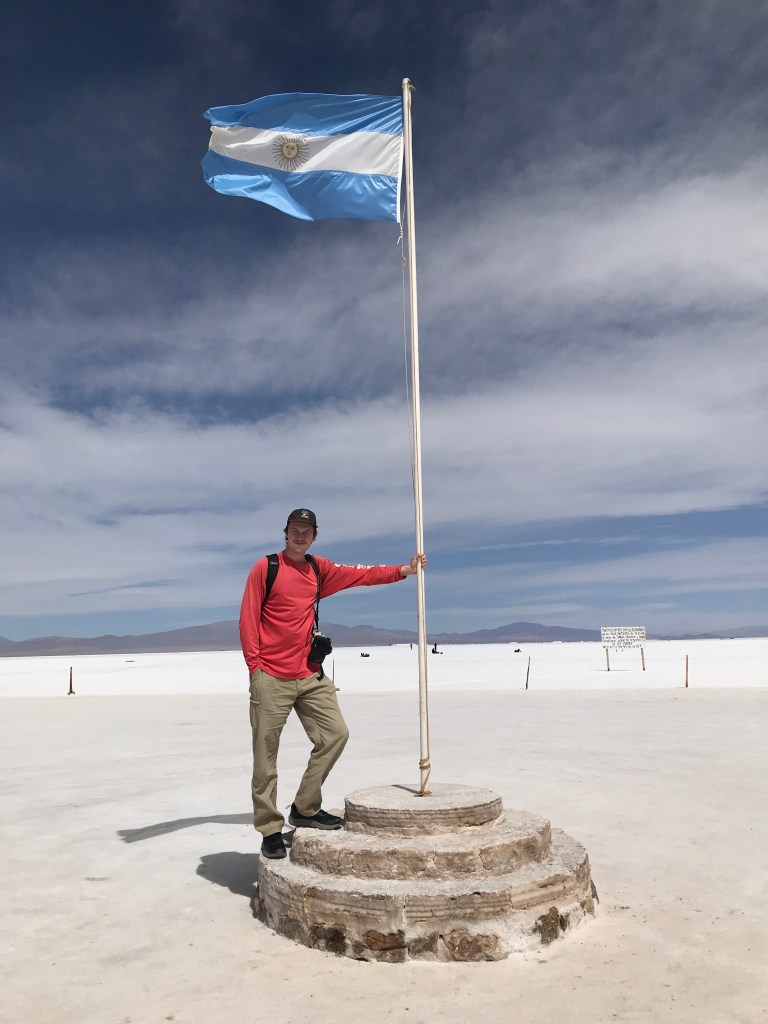
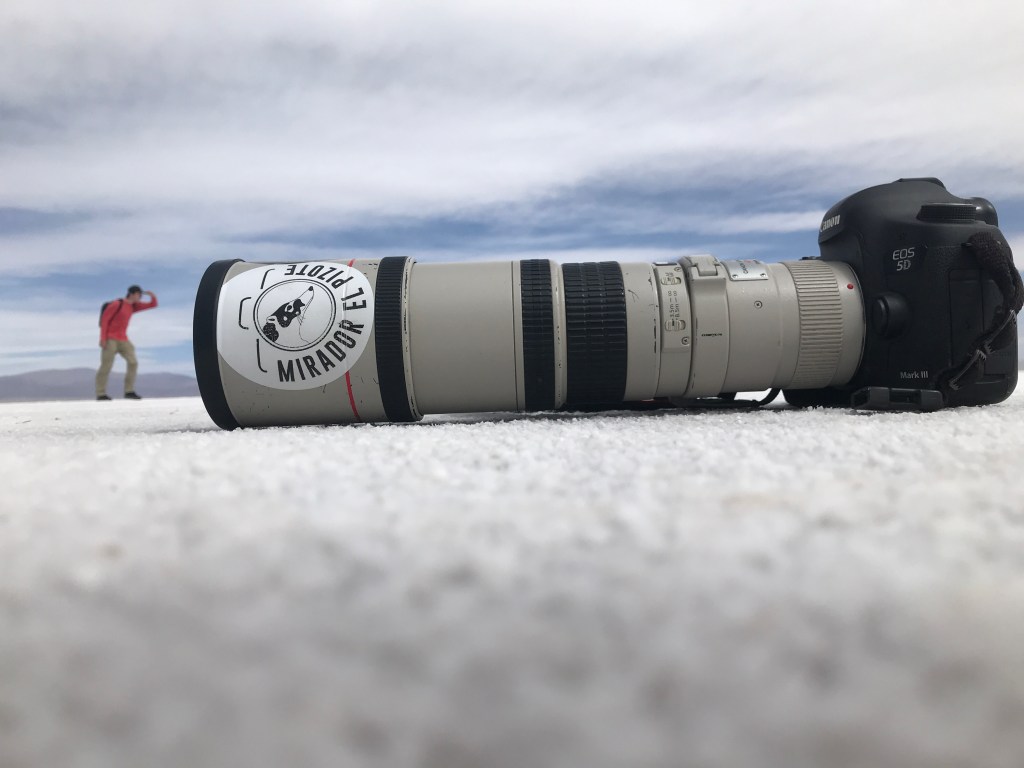
We arrived at the Salina and it was pretty remarkable. It’s the main one people visit in the area, so it was also pretty touristy. I took a couple of the obligatory touristy photos:
There were these really interesting evaporation ditches filled with water dug in the surface of the salt. I didn’t get the full explanation of how they do it (or who ‘they’ were), but this is the way they extract the more pure salt for food use.
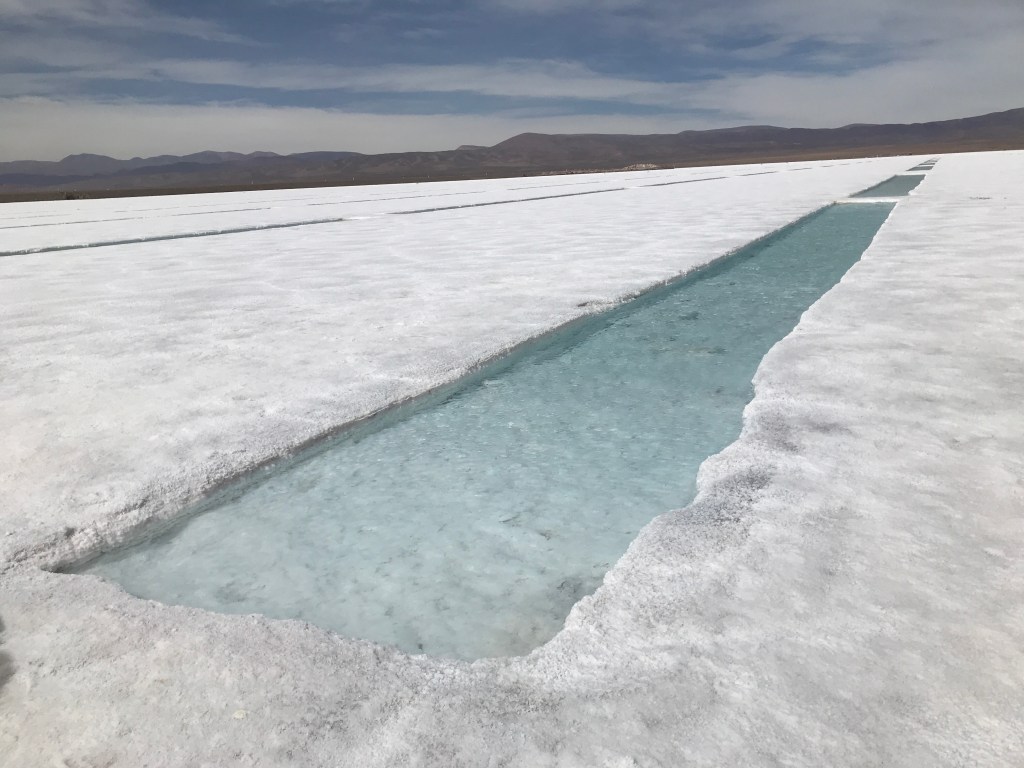
The big threat to the salt flats of South America right now is lithium mining for use in batteries. Apparently they are one of the major stores of lithium on the planet. There were lots of signs posted around the touristic center saying “stay away from our Salina” and “Lithium companies, go to hell” and things like that. So when you think about how impact-free your electric car is, remember that it has a massive lithium battery that will eventually need to be replaced. Electricity is the future, but it is far from clean. The same goes for copper mines in Chile and gold mines in the Amazon, New Guinea and Africa… there is always an impact.
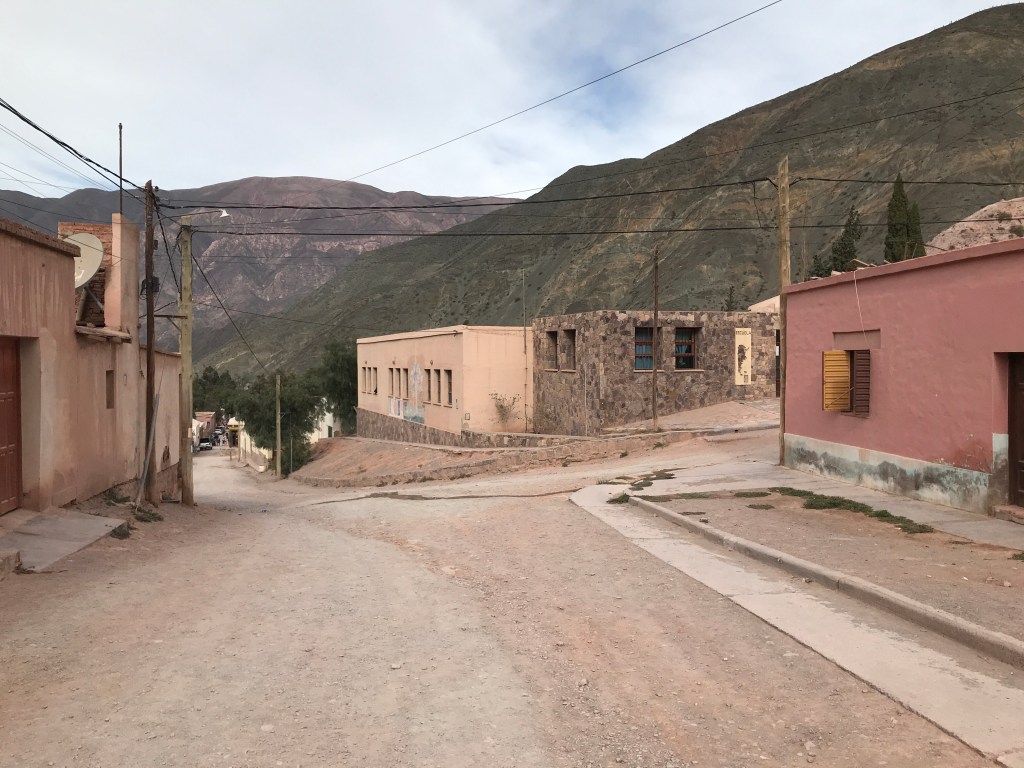
I also walked around a bit back in the town of Purmamarca, where there were loads of artisans selling their work (didn’t take any pics), and a very cool desert-Andean vibe going on.
I also got very poor views of a very cool hummingbird, the Red-tailed Comet. This definitely qualifies as a bird that I’d wanted to see for many years, since I first learned of its existence at the moment pictured here:
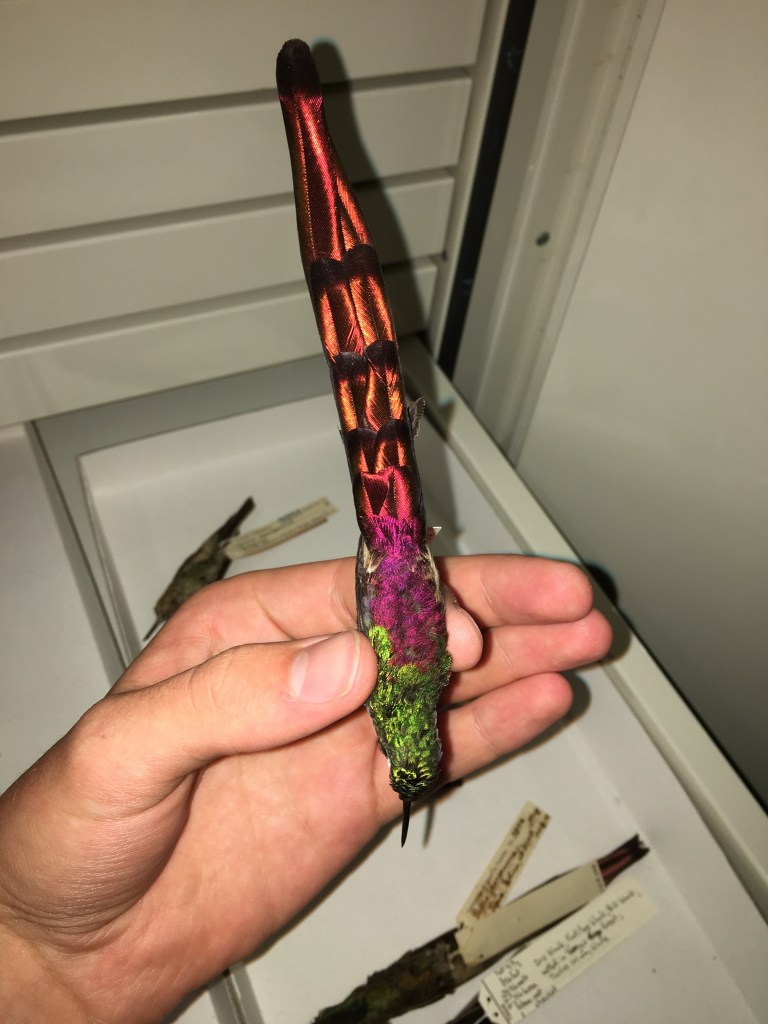
It’s probably got the most striking color scheme of any hummingbird in my opinion, and I’d love to spend some more time and get some better views down the line.
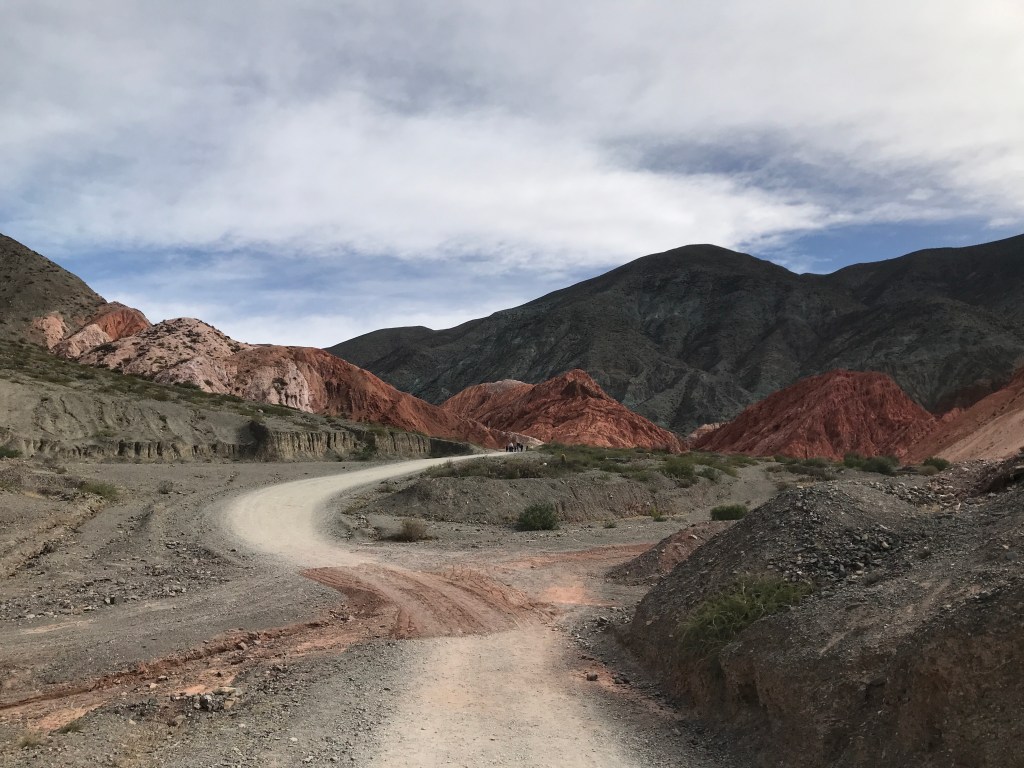
I caught the last bus from Purmamarca back down to SS de Jujuy, and the next day I headed up to Ledesma, from where I’d start exploring Parque Nacional Calilegua, one of the biggest conservation areas I’d visited yet! Thanks for reading.
P.S I think I’m gonna start including these stats at the end of posts just for fun:
Running species count since leaving: 618
Running lifer count since leaving: 364
Current life list: 1650


 Backcountry Birding
Leave a comment