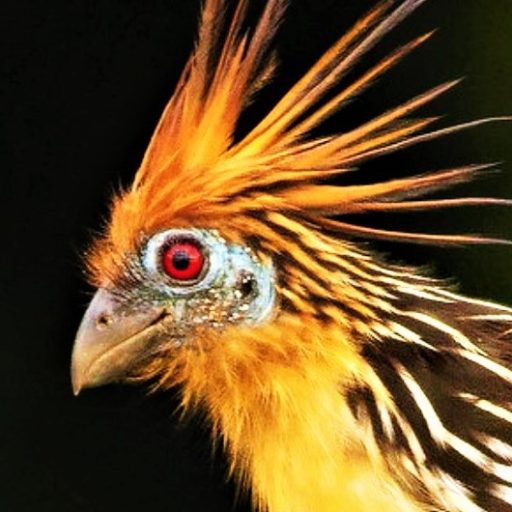
Ushuaia, Argentina is the world’s southernmost city. On the southern edge of Tierra del Fuego, it’s extremely isolated from the rest of Argentina and any other human habitation. It was a 17-hour bus ride to get there from El Calafate, as the route crosses into Chile and back again. But what an incredible place. I got in touch with the local birding club and was met with a very positive response; I got to go out with several people. Here are some of my adventures from before meeting up with the local birders.
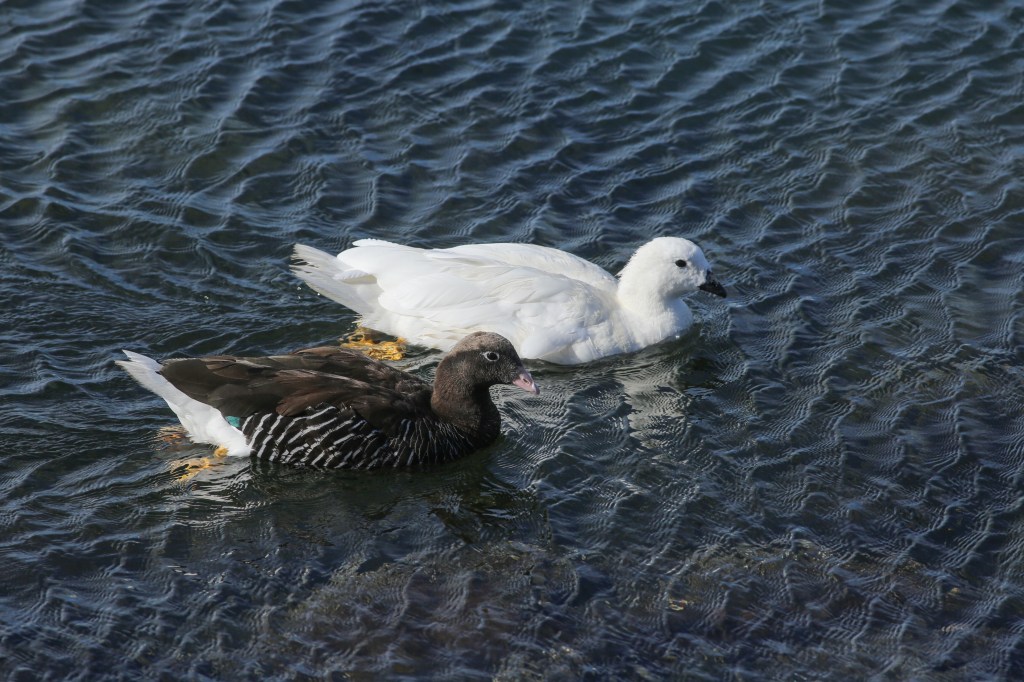
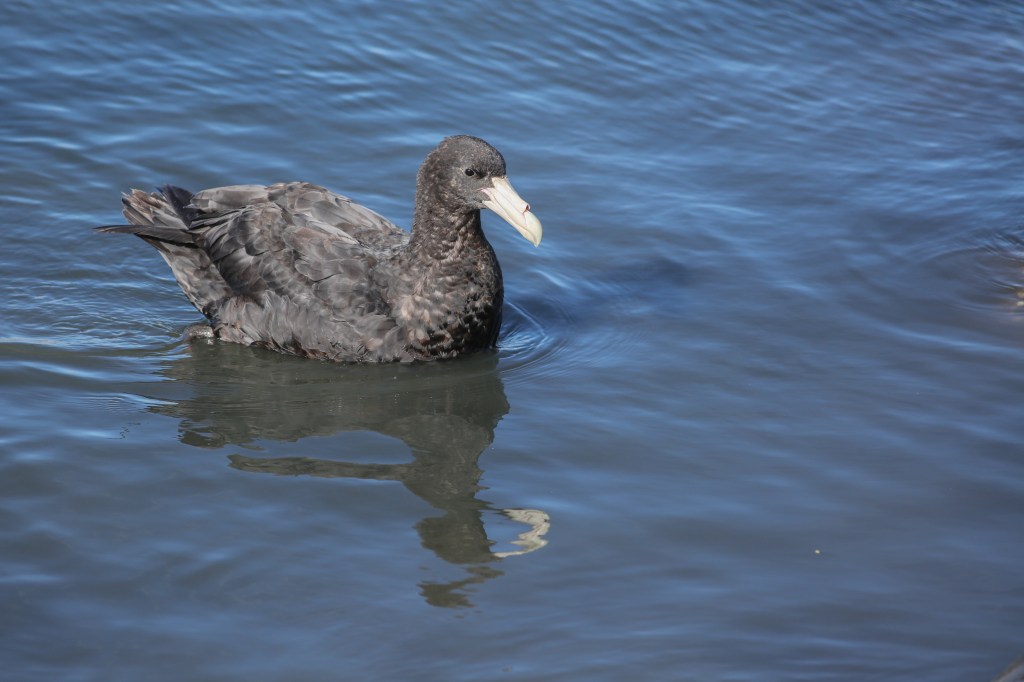
On the first morning after my bus got in, I headed down to the harbor waterfront. I got treated to a gorgeous pair of Kelp Geese, and an absolutely massive juvenile Southern Giant-Petrel casually paddling by the water’s edge.
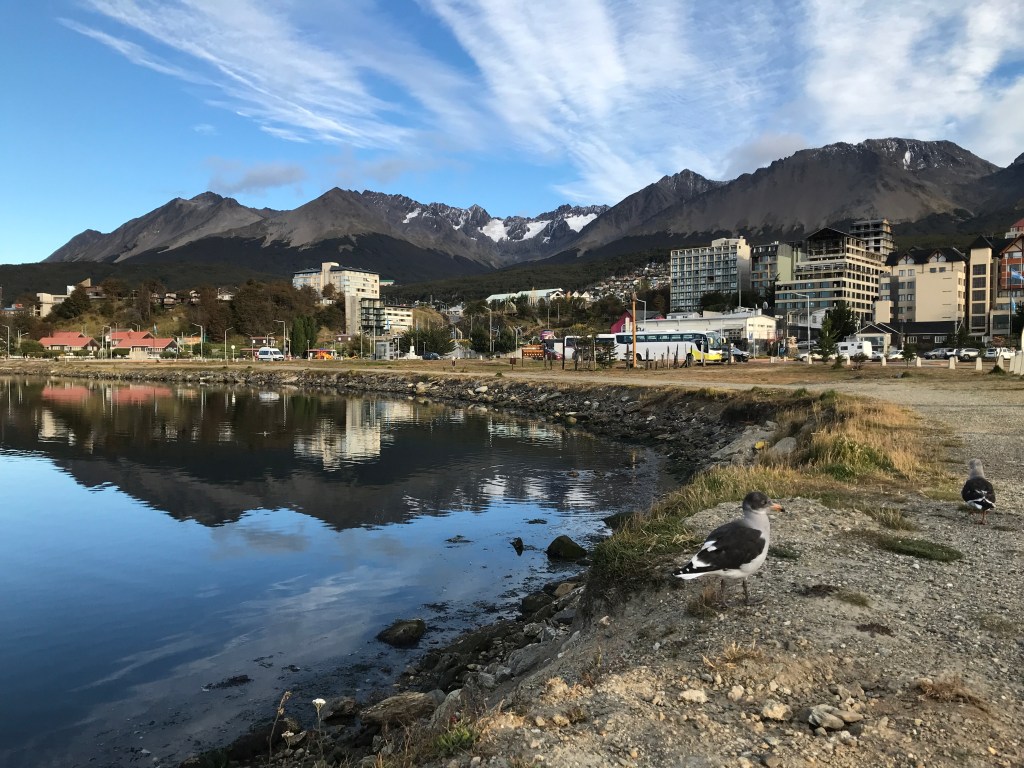
The view of the city wasn’t terrible either.
And this absolute leviathan of a cruise ship was parked at the dock.

I walked back up the hill to my hostel, stopping on the way to purchase a ticket for a catamaran tour of the Beagle Channel, the best way to see the seabirds of the area. The tour departed at 2pm, so I bought a sandwich to go, packed my stuff and headed down to the docks.
There were *quite a few* tour boats at the dock. We had to walk across one of them to get to ours! The first bird I spotted from the boat was a Black-browed Albatross, slicing through the air in front of a massive cargo ship’s hull.
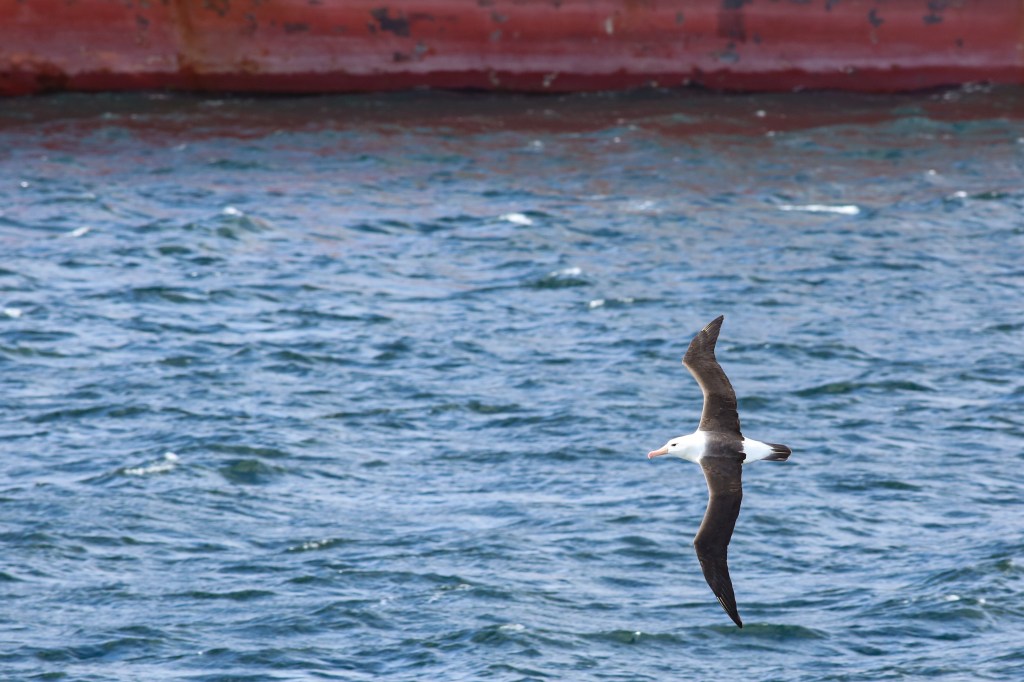
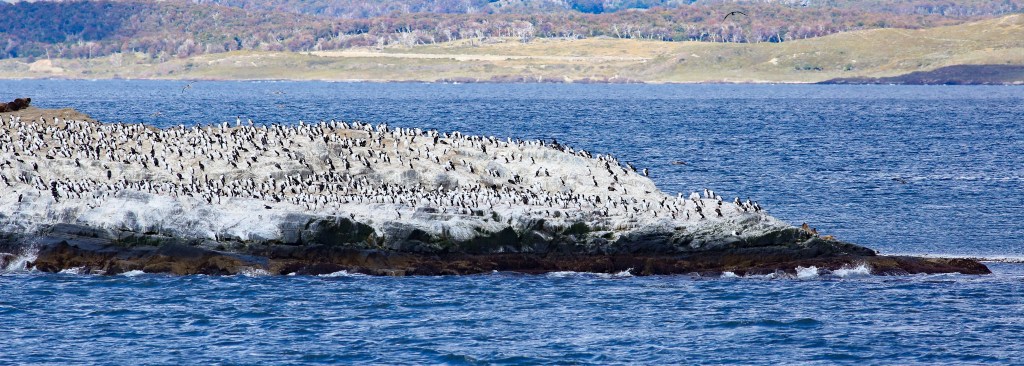
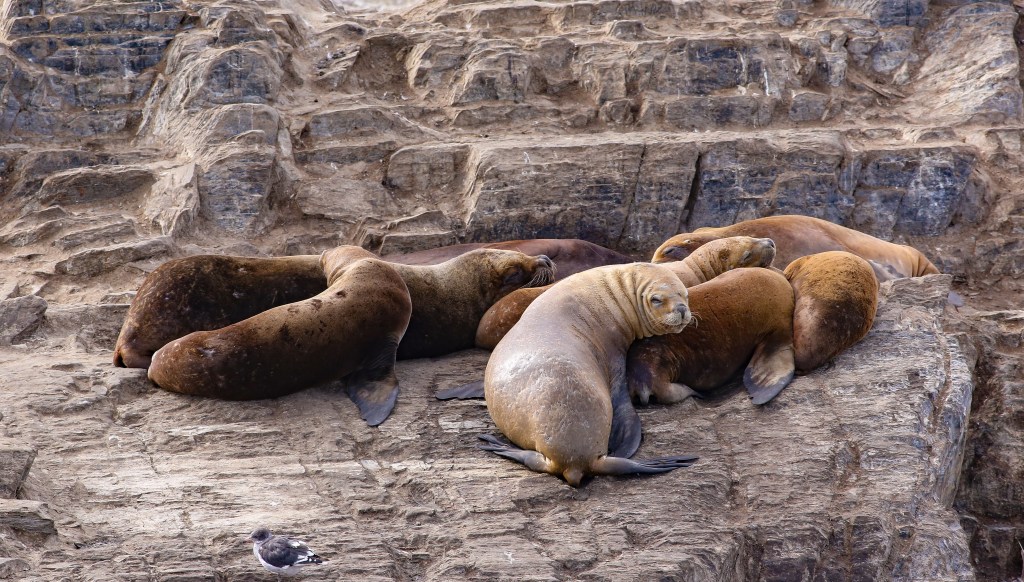
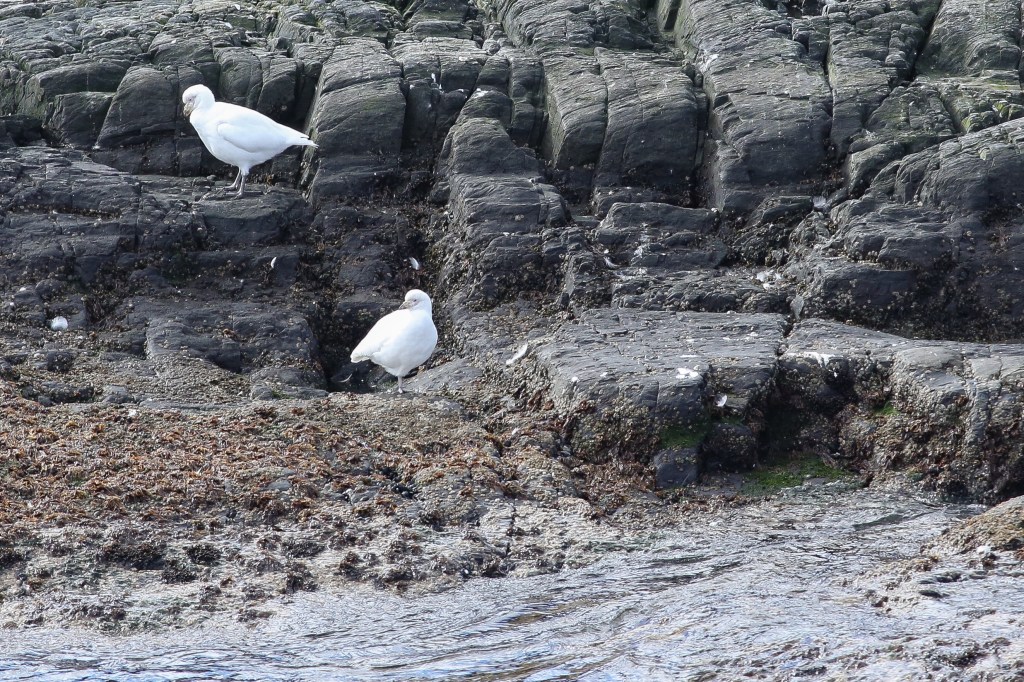
Once we got out of the harbor we started seeing other stuff like Chilean Skuas, South American Terns and lots of Giant Petrels. The boat first stopped at a colony of Imperial Cormorants, where I saw my first Sea Lions and Snowy Sheathbills!
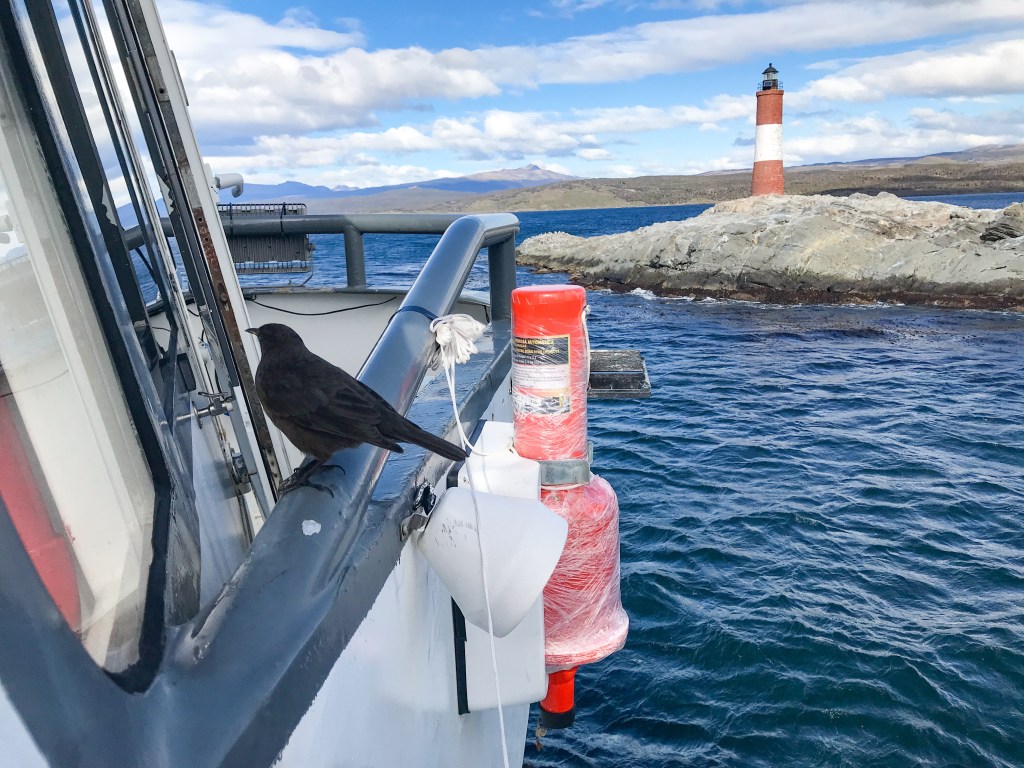
The next stop was the Eclaieur (Explorer) Lighthouse. A local birder, Sabrina, had tipped me off that a Blackish Cinclodes lives on the tiny lighthouse rock, and flies to the tour boats to drink fresh rainwater. Sure enough, a cinclodes appeared a few seconds after we approached the island, and continued hopping around the deck until the boat started to leave. What a way to live.
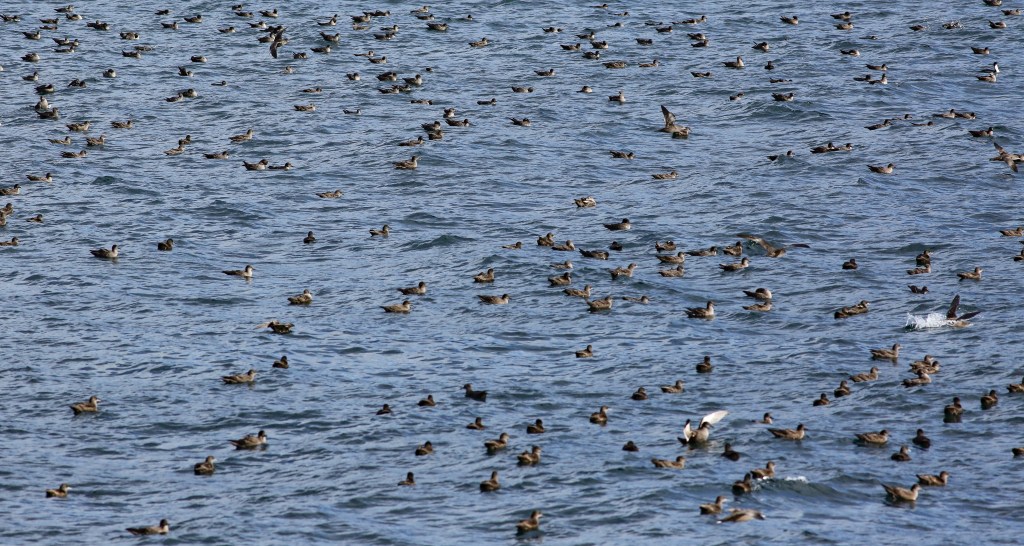
The farthest destination was Isla Martillo, the local Gentoo and Magellanic Penguin colony. Before we got there we passed through a couple of enormous flocks of several thousand Sooty Shearwaters.
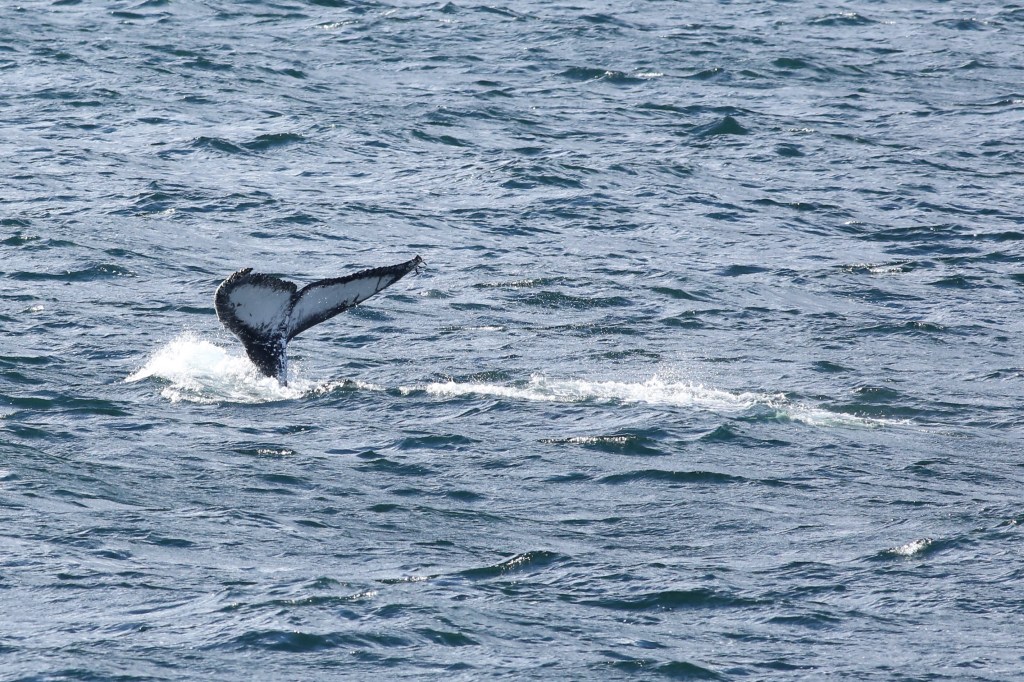
We also got to see several Humpback Whales! I sent these pictures in to the local whale scientists and they identified them by the markings as individuals numbers 109 and 140. This is the first year where Humpbacks are present in large numbers in the Beagle Channel, probably due to changing food distribution in their normal range.

And here were the penguins. It was a strange experience: the boat pulled up to the island and everyone rushed to the front. The elevated platform and jockeying crowd made it feel very much like a zoo experience. Here is a picture of an extremely unimpressed Gentoo Penguin:
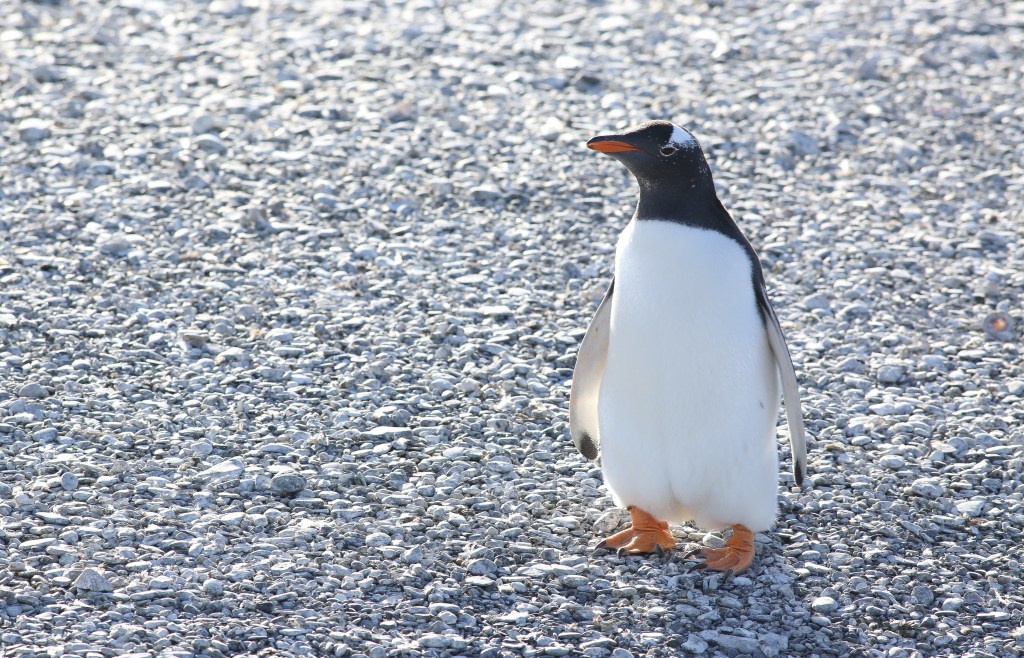
I suppose these are some of South América’s most accessible penguins, and as such they have every right to be unimpressed.
The weather turned pretty quickly to rain on the way back, which made me very thankful for the continued sun we’d enjoyed for the ride thus far.

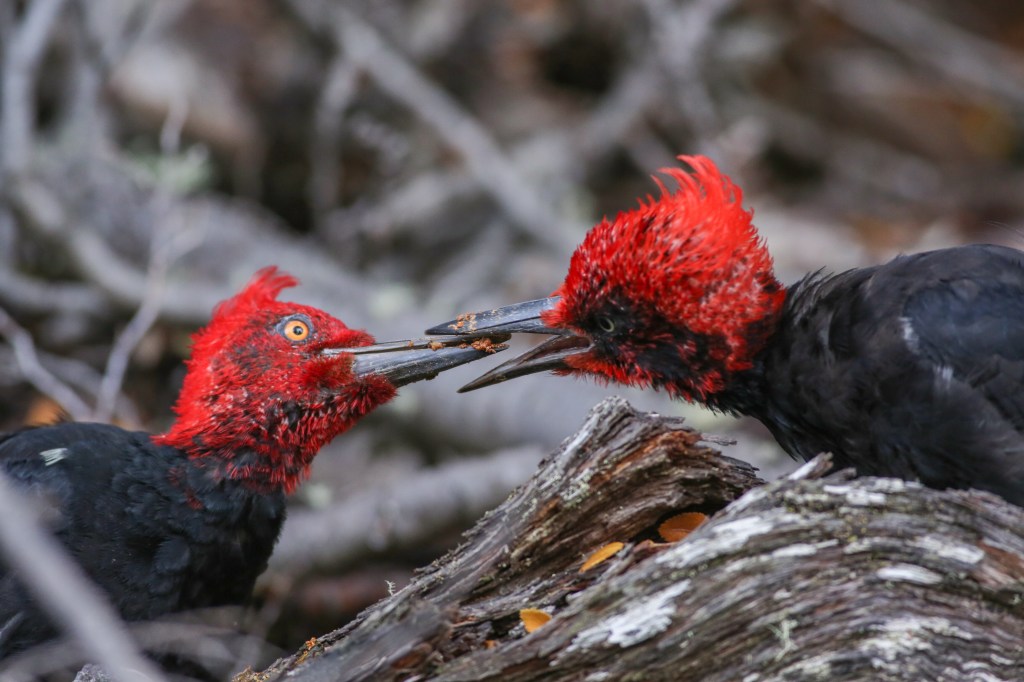
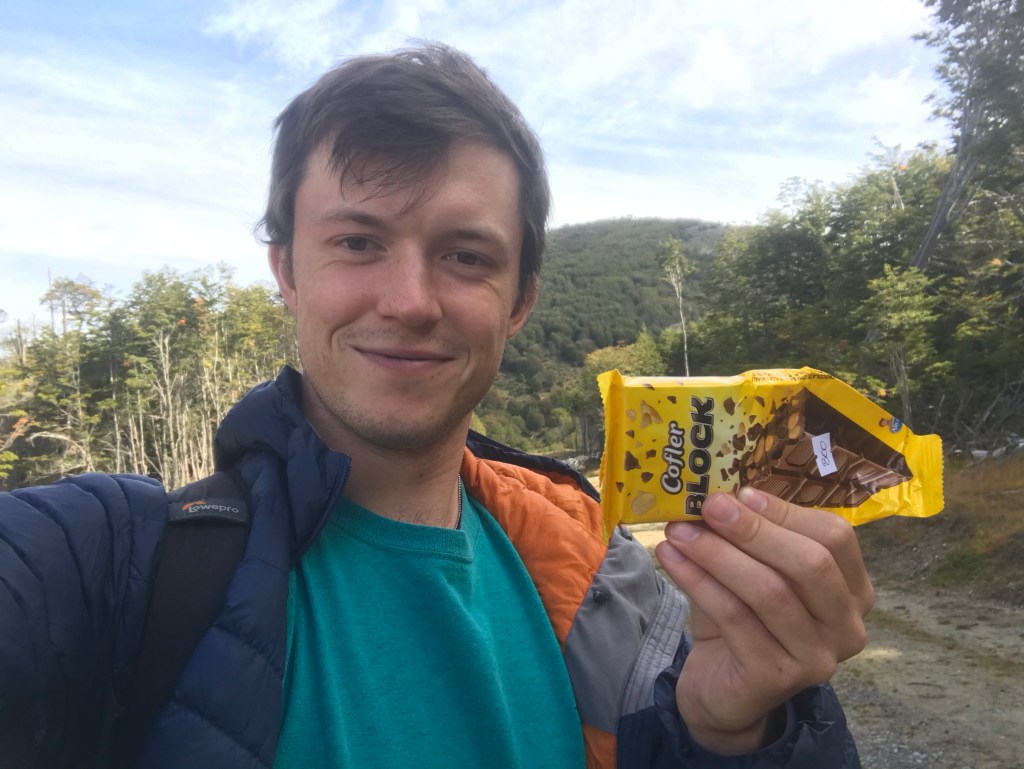
Other highlights of the first days included watching a Magellanic Woodpecker feed its child at very close range (and the primary fuel I’ve been using for birding walks, a chocolate bar with peanuts in it. Sublime stuff.
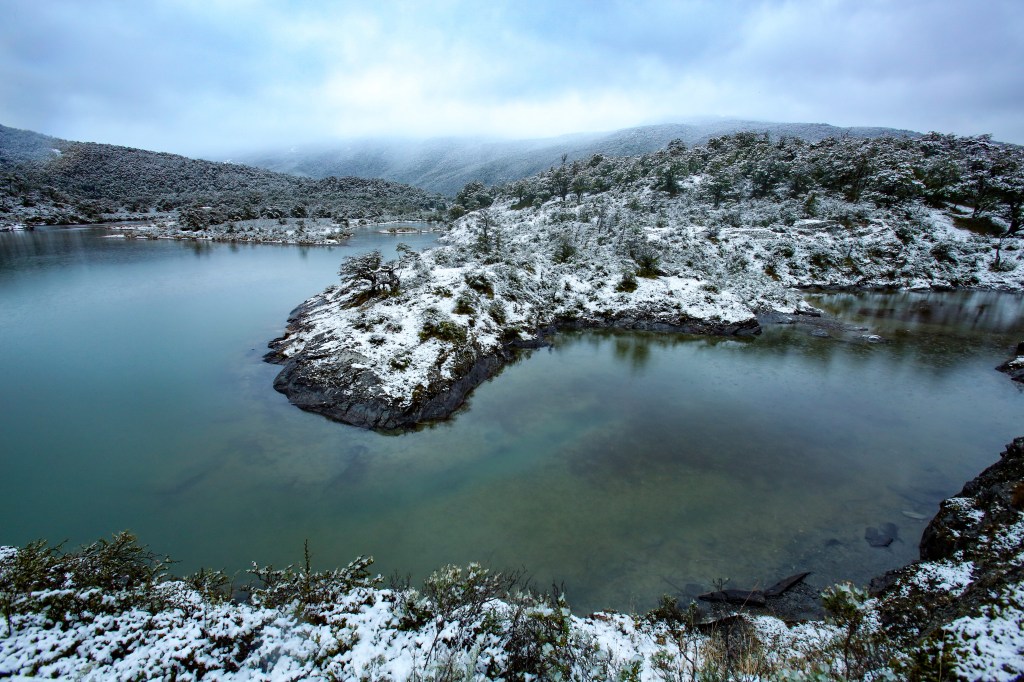
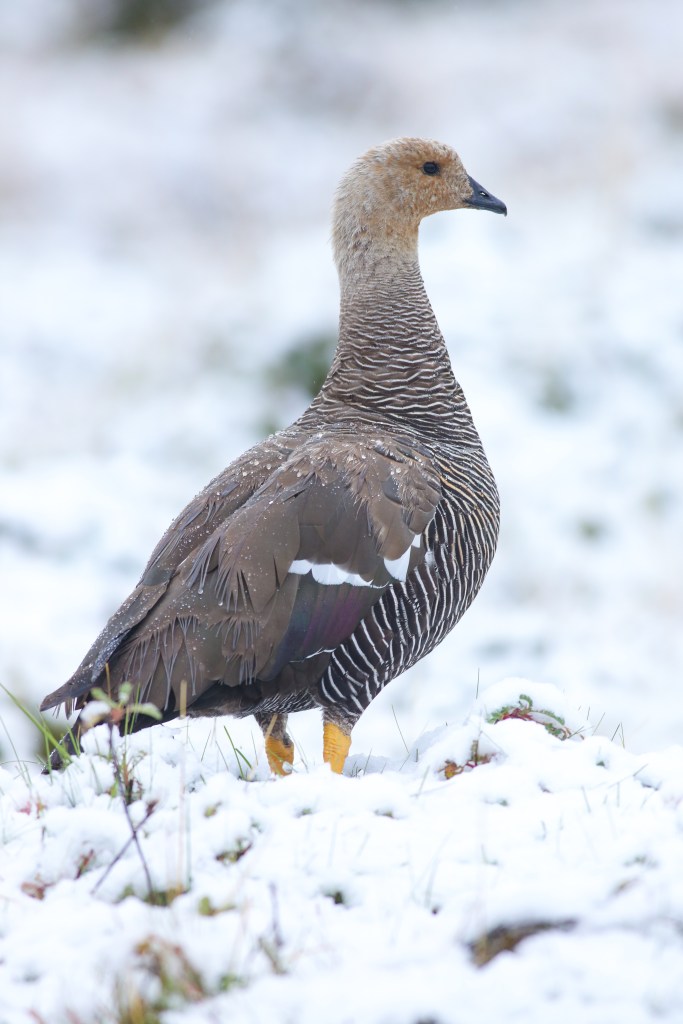
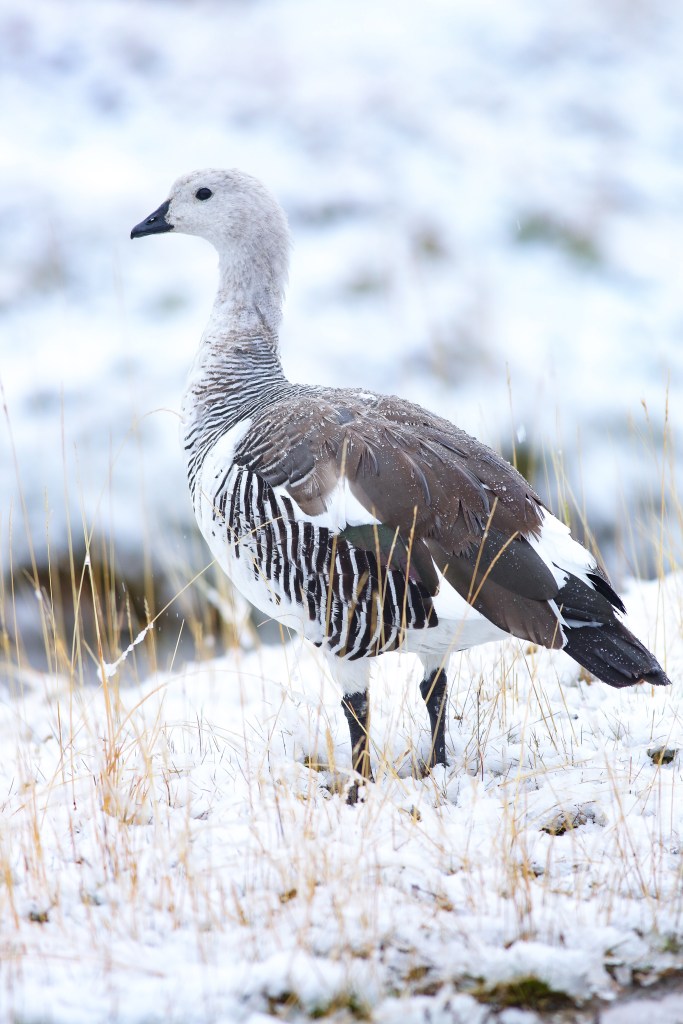
And a snowy day at Tierra del Fuego National Park:
I’ll be uploading a post about what I got up to with the local birding crew in a couple of days, so stay tuned!

 Backcountry Birding
Leave a comment